
1. Strategic Places & Venn Diagrams (Where has God put us?)
- The sermon said Israel was in a “strategic place” and that each of us is too.
- Where has God placed you? (Think: school, work, neighbourhood, teams, online groups.)
- Who do you see regularly that no one else in our family sees?
- What is one small way you could show Jesus’ love or “shalom” (peace) to someone in your circles this week?
2. Shalom & Being a Light (What kind of people do we want to be?)
- The Israelites were meant to show a “shalom way of living”—peace with God, others, and themselves.
- When have you recently felt real peace? What helped?
- If our family was known for one thing in our street/school/work, what would you like it to be?
- What is one practical thing we could change or start doing as a family to bring more peace into our home?
3. Cycles & Drift (Do we see ourselves in Judges?)
- The preacher described a cycle:
drift → mess → cry for help → rescue → comfort → drift again.- Can you think of an example of this cycle in your own life (without sharing anything you’re not comfortable sharing)?
- Where do you notice yourself “drifting” from God without really meaning to?
- What usually wakes you up and makes you realise, “I need God’s help again”?
- If you could “take out one domino” to stop a bad cycle in your life, what would that domino be?
4. Modern “Idols” (What are our Baals and Asherah poles?)
- Joshua told the people: “Throw away the foreign gods… have one God.”
- What are some modern “gods” or idols people worship today (even if they don’t use that word)?
- In our family, what things could easily become more important than God if we’re not careful?
(Examples: screens, work, grades, sports, money, others’ opinions.) - Is there anything you personally might need to “throw away” or put in its proper place so God comes first?
5. Wholehearted vs Half-hearted
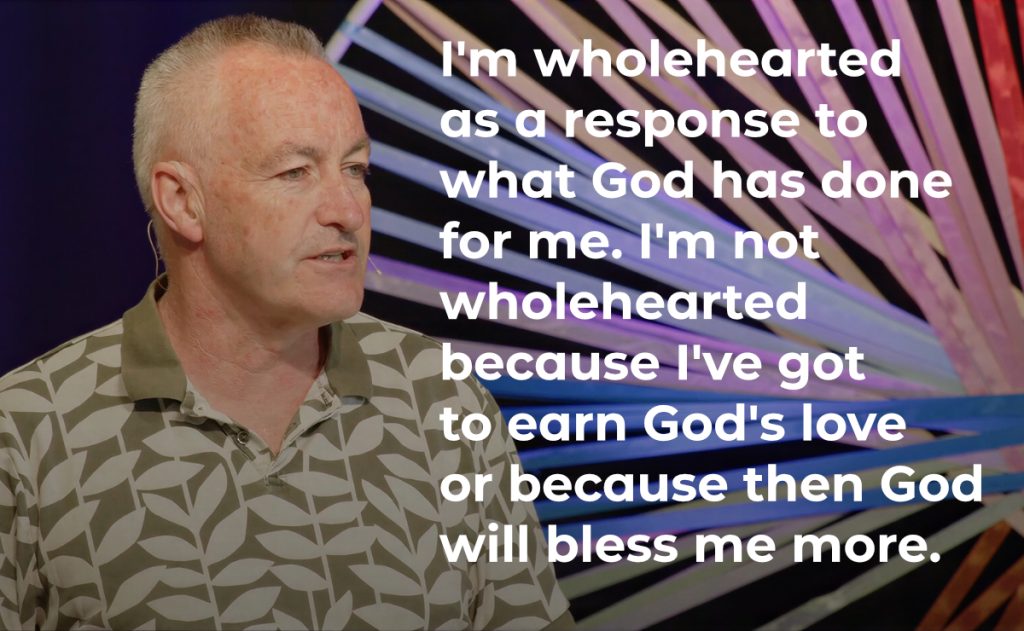
- The sermon talked a lot about being “wholehearted” for God.
- What do you think “wholehearted” looks like in everyday life for someone your age?
- When do you feel most half‑hearted about God, church, or faith? What makes it hard to be all‑in?
- Can you think of a time you saw someone serve or love others wholeheartedly? What did you notice about them?
- As a family, what is one way we could be more wholehearted in:
- our worship?
- our serving others?
- our prayer?
6. Specific Cycles Mentioned (Performance, Shame, Consumer)
- Performance cycle: doing lots for God but neglecting time with God.
- Do you ever feel like your value is based on how much you do or achieve?
- How could we remind each other that our worth is in being God’s children, not in our performance?
- Shame cycle: secret sin → shame → asking forgiveness → back again.
- Without sharing details, what helps you when you feel ashamed or like you’ve failed?
- Consumer cycle: faith based on “what I get” from God.
- How can we move from “What do I get?” to “How can I give and love?” in our walk with Jesus?
7. Practical “I Will” Statements
- The sermon suggested making “I will not… I will choose…” statements.
- If you were to write one for yourself, what might it be?
Example: “I will not compare myself to others. I will choose to thank God for what I have.”
- If you were to write one for yourself, what might it be?
- What is one “I will” statement we could make together as a family?
8. Speaking the Name of Jesus into Our Situations
- The preacher invited us to “speak Jesus” into our cycles and struggles.
- If you could ask Jesus to step into one area of your life right now, what would it be?
- Finish this sentence:
- “I speak Jesus over my _______ because _______.”
- How could we, as a family, remind each other that “Jesus is bigger” when things feel overwhelming?
9. Seeking God with All Our Heart
- Jeremiah 29:13 says, “You will seek me and find me when you seek me with all your heart.”
- What helps you seek God with your whole heart?
- What usually distracts you?
- If we set one small habit this week to seek God more (as individuals or as a family), what should it be?
(Examples: short bedtime prayer, reading one verse together, thanking God for three things at dinner.)
You could close your discussion by asking:
- “What is one thing you want to remember from this sermon?”
- “What is one small change you want to try this week with God’s help?”
GENERAL QUESTIONS
In what ways do you find yourself in a strategic position to demonstrate God’s shalom to people that no one else in your life can reach?
Which of the negative cycles mentioned in the sermon (performance-driven, secret sin, or consumerist faith) resonates most with your own spiritual journey, and why?
Joshua challenged the Israelites to throw away foreign gods and yield their hearts fully to God. What modern-day idols or distractions might be competing for your wholehearted devotion?
How can we distinguish between drifting away from God unintentionally versus deliberately turning away, and what practical steps can prevent this drift?
The sermon mentions mistaking activity for intimacy with God. How do you maintain a balance between serving God and being in relationship with Him?
What does it mean practically to seek God with all your heart in your current life circumstances, rather than seeking Him only when you’re in crisis?
How can you create a personal statement or manifesto that declares what you will not allow to define you and what you will choose instead?
Why do you think the Israelites repeatedly fell into the same cycle of drift, mess, and rescue despite experiencing God’s faithfulness, and how does this mirror our own tendencies?
In what specific area of your life do you need to speak the name of Jesus to break a negative cycle rather than just asking for rescue from its consequences?
How does understanding that Christ loves you wholeheartedly change your motivation for living wholeheartedly for Him, as opposed to trying to earn His love through performance?
0 Comments