
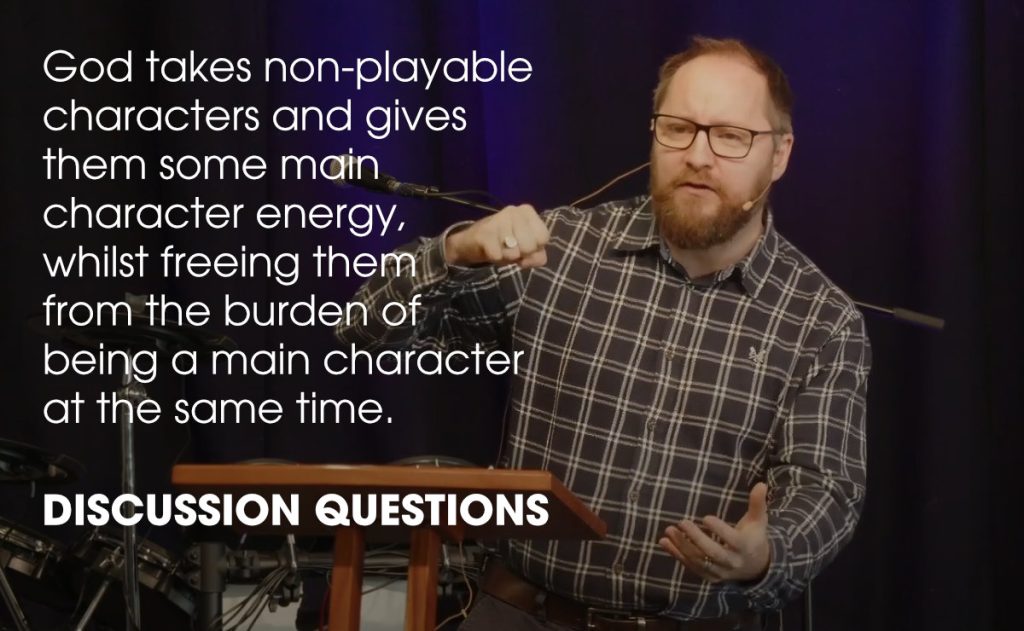
How does understanding yourself as part of God’s larger story rather than the ‘main character’ of your own story change the way you approach daily challenges and decisions?
Abraham was called to ‘go to the place I will show you’ without knowing the destination. What areas of your life is God calling you to trust Him without seeing the full picture?
The sermon describes faith as ‘trust’ rather than a leap in the dark. How does viewing faith as walking with a trustworthy God rather than blind hope change your perspective on spiritual risk?
Abraham’s righteousness came from believing God, not from his achievements. How does this challenge our tendency to try to earn God’s approval through our own efforts?
The preacher mentions that loving God moderates what we desire to do with our freedom. How have you experienced your desires changing as your love for God has grown?
God promised Abraham descendants more numerous than the stars, yet Abraham remained childless for years. How do you maintain faith when God’s promises seem delayed or impossible?
The sermon states that God’s blessing to Abraham was always meant to reach all nations, not just Israel. How does this universal scope of God’s mission shape your understanding of your own calling?
When singing worship songs about being free from fear or building our lives on God’s love, we may feel like hypocrites if we still struggle. How can we hold both the truth of who we are in Christ and the reality of our ongoing struggles?
Abraham’s original name meant ‘exalted father’ when he had no children, which must have been painful. What ‘painful promises’ or unfulfilled callings are you holding onto while waiting for God’s timing?
The sermon describes God as both ‘the living God’ and ‘the servant king’ who washes feet. How does this paradox of divine power and humble service challenge or comfort you in your own understanding of spiritual authority?
Discussion Questions for the family dinner table
- Understanding Departure: Abraham was asked to leave his home and go to a land God would show him. How would you feel if you were in Abraham’s position? Have you ever had to make a big change without knowing what the future held?
- Main Character vs. NPC: The sermon mentioned “main character energy” and “non-playable characters” from video games. How does thinking about yourself as part of God’s bigger story change how you see your own life’s importance?
- Trusting God’s Plan: Abraham didn’t know his destination but was asked to trust God. Can you share a time when you had to trust someone without knowing everything? How did that make you feel?
- Blessed to Bless: The sermon talked about being blessed to bless others. What are some ways we can be a blessing to those around us each day?
- The Story of Us: The sermon emphasized that our life is part of a larger story. How do you see your own story fitting into God’s bigger plan? What role do you think you are playing?
- Faith in Action: Discuss how faith is not just a leap but a walk with God. How can we practice walking in faith as a family?
- God’s Promises: Abraham was promised blessings even when his circumstances seemed unlikely. Can you think of any promises from God that give you hope?
- Identity in God: The sermon touched on finding identity and self-worth in God’s story. How does knowing you are part of God’s story affect how you see yourself and others?
- Practical Faith: What are some practical steps we can take this week to live with the faith and trust that Abraham demonstrated?
- Prayer of Faith: Reflect on the closing prayer from the sermon. How can we incorporate repentance and trust in our daily prayers?
These discussion starters can help your family engage with the sermon’s message in meaningful ways, encouraging deeper understanding and personal reflection.
0 Comments