
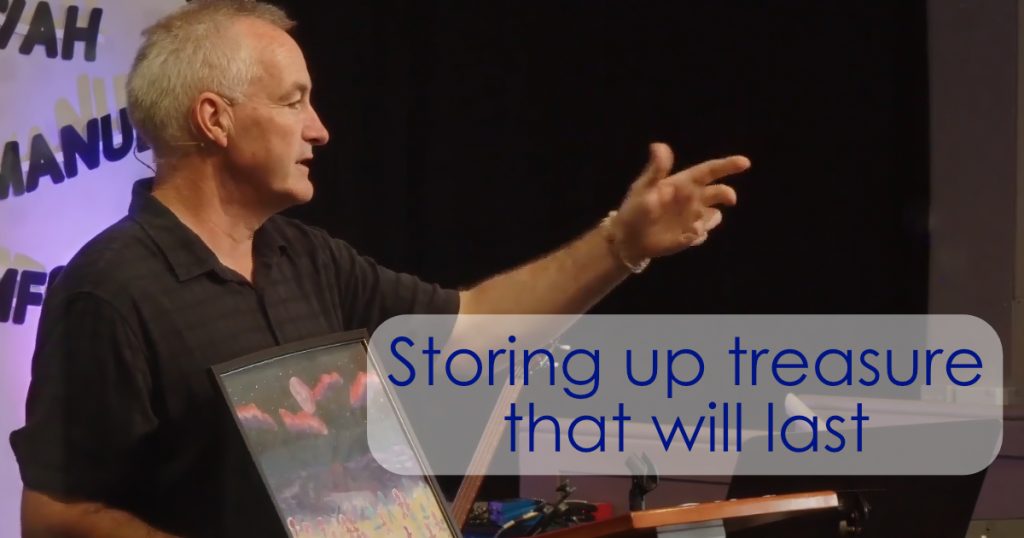
We all have things we value in life. Maybe it’s a cherished family heirloom, a memento from a special trip, or even a prized possession we’ve worked hard to acquire. There’s nothing inherently wrong with valuing earthly things – they can bring joy, spark fond memories, and serve important purposes in our lives.
But what if we’re called to set our sights on something far greater? What if the treasures we’re meant to pursue aren’t found in this world at all?
In Matthew 6:19-24, Jesus challenges us to radically shift our perspective:
“Don’t store up treasures here on earth, where moths eat them and rust destroys them, and where thieves break in and steal. Store your treasures in heaven, where moths and rust cannot destroy, and thieves do not break in and steal. Wherever your treasure is, there the desires of your heart will also be.”
This passage invites us to examine three crucial areas of our lives: our treasures, our devotion, and our master. Let’s explore each one.
- Pursuing Heavenly Treasures
Jesus presents us with a stark choice – earthly treasures or heavenly ones. While it might seem appealing to accumulate wealth and possessions in this life, Jesus reminds us of their temporary nature. Moths can destroy, rust can corrode, and thieves can steal our earthly riches. Even if we manage to hold onto them, we can’t take them with us when we die.
In contrast, heavenly treasures are eternal. They cannot be taken away or destroyed. But what exactly are these treasures? Throughout the Sermon on the Mount, Jesus gives us clues:
- Enduring persecution for righteousness’ sake
- Loving our enemies
- Giving generously to those in need
- Praying sincerely and fervently
- Fasting with humility
- Sharing our faith and making disciples
These actions may not bring immediate earthly rewards, but they build something of lasting value in God’s kingdom. They align our hearts with God’s purposes and store up eternal riches.
- Living with Single Devotion
Jesus uses a striking metaphor to illustrate the importance of spiritual focus:
“Your eye is like a lamp that provides light for your body. When your eye is healthy, your whole body is filled with light. But when your eye is unhealthy, your whole body is filled with darkness.”
This passage can be understood in two complementary ways:
a) Generosity: A “healthy eye” can represent a generous spirit. When we’re open-handed with our resources, it brings light into our lives and the lives of others.
b) Single Focus: A “healthy eye” can also mean having clear, undivided spiritual vision. When we’re solely focused on God and His kingdom, our whole being is filled with His light.
Conversely, an “unhealthy eye” – one clouded by greed, self-centeredness, or divided loyalties – leads to spiritual darkness. We must guard against self-deception, ensuring that what we think is light in our lives isn’t actually darkness.
- Choosing the Right Master
Jesus concludes with a powerful statement:
“No one can serve two masters. For you will hate one and love the other; you will be devoted to one and despise the other. You cannot serve God and be enslaved to money.”
This isn’t just about choosing between God and literal piles of cash. It’s about recognizing that something will ultimately have mastery over our lives. Will it be the pursuit of wealth, status, and earthly security? Or will it be wholehearted devotion to God and His kingdom?
The two are incompatible. Money (and what it represents) demands our focus on self-preservation and accumulation. God calls us to self-sacrifice and generosity. We cannot fully commit to both paths simultaneously.
John Piper puts it well: “There is something about God and money that makes them both lead to mastery. Either you are mastered by money and therefore ignore God or make him a porter for your business, or you are mastered by God and make money a servant of the kingdom.”
Practical Application
So how do we live out these teachings in our daily lives? Here are some reflections to consider:
- Examine Your Treasures: Where are you investing most of your time, energy, and resources? Are you building up earthly wealth or heavenly riches?
- Practice Generosity: Look for opportunities to give freely, both of your material possessions and your time. This cultivates a “healthy eye” and loosens money’s grip on your heart.
- Simplify: Consider ways to declutter your life, not just physically but also in terms of commitments and pursuits. This can help you maintain a single-minded focus on what truly matters.
- Serve Others: Actively look for ways to meet needs and make disciples. These actions store up treasures in heaven.
- Regular Heart Checks: Take time to honestly assess your motivations and priorities. Are you serving God or money (in its various forms) as your ultimate master?
Remember, this isn’t about earning God’s love or favor. It’s about aligning our hearts with what God values most. As we do so, we’ll find that our definition of “treasure” transforms. We’ll discover the incredible richness of a life fully devoted to God and His purposes.
The missionary Adoniram Judson captured this eternal perspective beautifully:
“Life is short. Happiness consists not in outward circumstances. Millions of Burmans are perishing. I am almost the only person on earth who has attained their language to such a degree as to communicate the way of salvation. How great are my obligations to spend and be spent for Christ. What a privilege to be allowed to serve him and suffer for him… Soon we shall be in heaven. Oh, let us live as we shall then wish we had done.”
May we, too, live with eternity in view – storing up treasures that will last forever, maintaining undivided devotion to God, and joyfully submitting to His loving mastery over our lives.
0 Comments