
Have you ever noticed how most stories follow a familiar pattern? They begin well, descend into difficulty, and then resolve with restoration. This narrative arc isn’t random—it mirrors the grand story of human history itself.
The Three-Part Story of Humanity
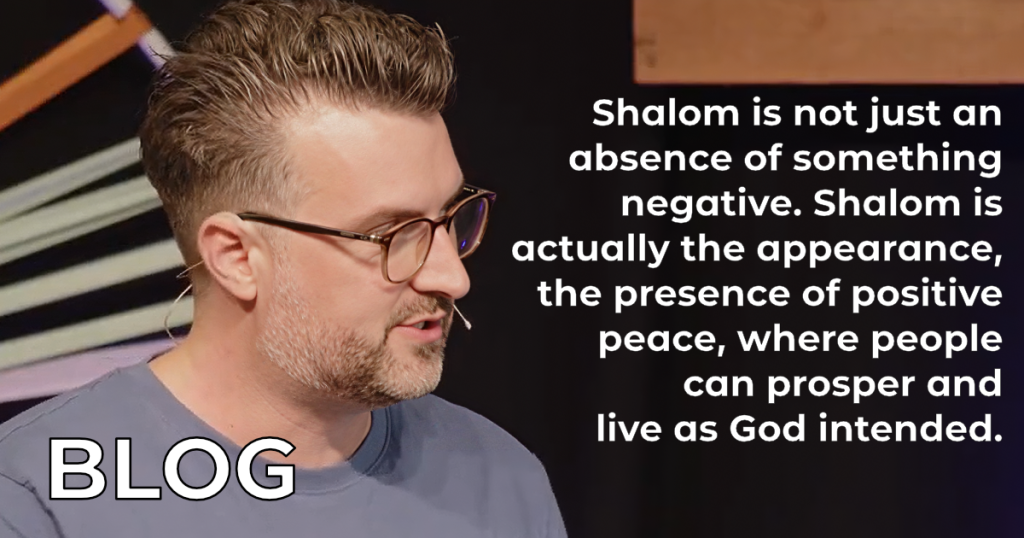
In the beginning, things were good. Eden was a place of perfect peace where God walked alongside Adam and Eve. His presence was tangible, immediate, and complete. The world existed in harmony, and humanity experienced what the Hebrew language calls shalom—not merely the absence of conflict, but the fullness of peace, prosperity, and living as God intended.
Then came the middle chapter—the one we’re still living in. Sin entered the world, and Adam and Eve found themselves exiled from paradise. For thousands of years, humanity has experienced cycles of hope and despair. God would intervene, sending prophets, judges, and kings to restore His people. Things would improve temporarily, but never quite return to that original peace. The pattern repeated: decline, restoration, decline again.
But the story doesn’t end there. When Jesus came, everything changed. And when He returns, the final chapter will be written—a return to perfect peace, to the presence of God, forever.
The Ache of Exile
Do you ever feel it? That sense of not quite belonging, of longing for something more? It’s a universal human condition—this feeling that we’re meant for something different, something better than what we experience in our daily lives.
This isn’t nostalgia or escapism. It’s the echo of Eden in our hearts. We were created for the presence of God, and without it, we experience a profound absence of peace. We feel exiled from our true home.
The question isn’t whether we feel this way—it’s what we’re doing about it.
God’s Answer: The Tabernacle
When Moses led the Israelites out of Egypt, they were a people in exile, wandering the desert with little understanding of how to worship God. So God gave Moses detailed instructions to build the tabernacle—a portable tent where the people could meet with Him.
This wasn’t just any tent. God devoted thirteen chapters in Exodus to describing exactly how it should be constructed. At its heart, behind layers of curtains and courtyards, sat the Ark of the Covenant containing the Ten Commandments—the very Word of God.
The design was intentional. When the Israelites camped in the wilderness, the twelve tribes arranged themselves in a circle around the tabernacle, like numbers on a clock. At the center of the nation’s life was the presence of God. This was where peace was found.
For four hundred years, this traveling tent served as Israel’s focus of worship, moving with them as they conquered Canaan and settled the land.
From Tent to Temple
When King David danced with abandon as the Ark was brought to Jerusalem, his wife thought he looked foolish. But David understood something profound: the presence of God was worth celebrating with everything he had.
David wanted to build God a permanent temple, but that honor fell to his son Solomon. When God asked young Solomon what gift he most desired, Solomon requested wisdom—the ability to discern right from wrong.
It was a good answer, but perhaps not the best one. The greatest request might have been for the continuous peace and presence of God throughout his entire life.
Solomon built a magnificent temple, taking seven years to complete it. (Interestingly, he spent twelve years building his own palace—revealing where his true priorities lay.) The temple was essentially the tabernacle recreated in stone, with the same design elements meant to evoke Eden and point people toward God’s presence.
But access remained restricted. Only priests could enter the holy place. Only the high priest could enter the Most Holy Place—and only once a year. The presence of God was protected by layers: one person, from one family, from one tribe, from one nation.
The Curtain Torn
All of this—the tabernacle, the temple, the elaborate rituals—pointed forward to Jesus.
When Jesus died, the thick curtain separating the Most Holy Place from the rest of the temple tore in two. But it didn’t tear from bottom to top, as if human hands had ripped it. It tore from top to bottom—as if God Himself was opening the way.
The presence of God, once confined to one small room in one building in one city, was suddenly released into the entire world through the Holy Spirit. Jesus, who could only be in one place at a time during His earthly ministry, now fills His church—His body—which extends across the globe.
As Paul wrote to the Corinthians: “Now you are the body of Christ, and each one of you is a part of it.” Together, we form the new temple where God’s presence dwells.
Where Do You Find Your Peace?
Here’s the uncomfortable question: Where do we actually turn when seeking peace?
The ideal answer is God. But honestly? We often turn to good things that become poor substitutes: family, work, hobbies, success, food, entertainment. These are blessings from God, but when we make them our primary source of peace, they always disappoint. They cannot provide the shalom we were created for.
How do we prioritize seeking God’s presence? Is it reflected in our time? Our attention? Our resources?
Practical Steps Toward His Presence
What might it look like to genuinely seek God’s presence daily?
Consider starting each day in prayer—even if you simply pray the Lord’s Prayer word for word until it begins to flow from your heart in your own words.
Develop better habits with your time. Use a Bible app that provides daily readings and reflections.
Learn Scripture by heart—not as a memory exercise, but as a way of allowing God’s Word to settle deep within and influence your decisions.
Here’s a challenging one: What do you reach for in free moments? The news? Social media? What would change if you chose to turn to God in prayer instead, seeking His presence rather than the next notification or headline?
Jesus said, “If you love me, you will obey my commands.” But how can we obey if we don’t know what He’s commanded? We must engage with His Word to understand His heart.
The Warning of Solomon
Solomon’s story ends with a sobering note: “When Solomon was old, his wives turned his heart away to follow other gods. He was not wholeheartedly devoted to the Lord his God as his father David had been.”
Despite his wisdom, despite building the temple, Solomon’s devotion was divided. His priorities shifted. The peace he might have known in God’s presence was compromised by competing loyalties.
The Question Before Us
If God asked you today, “What would you most like me to give you?” how would you answer?
Would you ask for wisdom, like Solomon? For success? For comfort? Or would you ask for what we’re truly made for—the continuous peace that comes only from dwelling in His presence?
True peace, lasting shalom, is found in one place alone: the presence of God. Everything else is temporary, incomplete, unable to satisfy the exile-ache in our hearts.
The curtain has been torn. The way is open. The presence of God is available not just once a year to one person, but every moment to all who seek Him through Jesus.
The only question is: Will we seek it?
0 Comments