
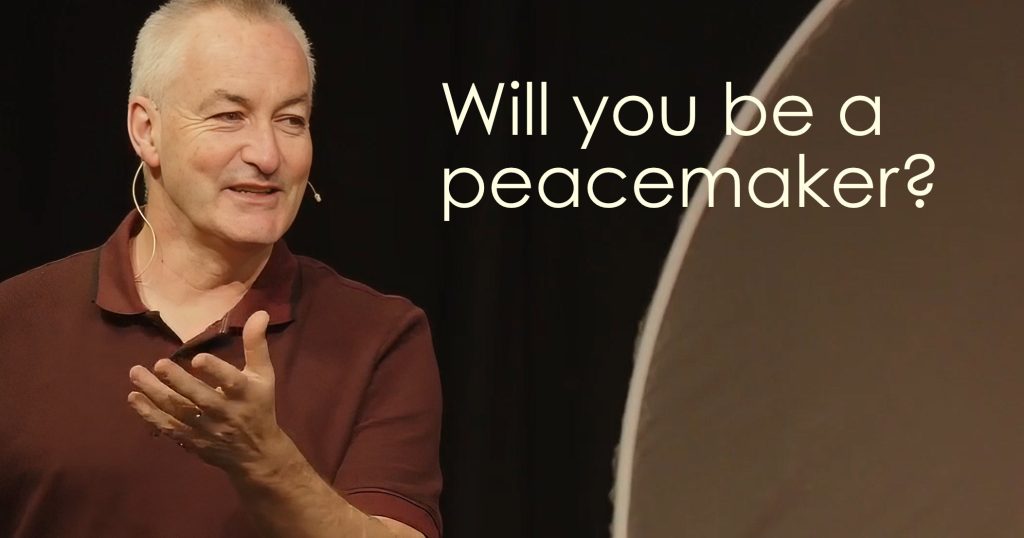
In a world often torn by conflict and division, the concept of peace can seem like an elusive dream. Yet, as children of God, we are called to be more than passive observers of discord—we are challenged to be active peacemakers. This divine calling is not just a lofty ideal; it’s a transformative way of life that reflects the very heart of our Creator.
The essence of true peace goes far beyond mere silence or the absence of conflict. It’s a deep-seated harmony that permeates our relationships, our communities, and our very souls. As we explore this profound concept, we’re reminded of the words from the Beatitudes: “Blessed are the peacemakers, for they will be called children of God.” This powerful statement invites us to consider what it truly means to be a peacemaker in our daily lives.
Jesus, often referred to as the Prince of Peace, exemplified this calling throughout His ministry. His life and teachings broke down walls of hostility and united people who were once divided. The apostle Paul beautifully captures this in Ephesians 2, describing how Christ “united Jews and Gentiles into one people” and “broke down the wall of hostility that separated us.” This reconciliation wasn’t just between different groups of people, but more importantly, between humanity and God Himself.
The path of peacemaking, however, is rarely easy. It often comes at a cost, as Jesus demonstrated through His ultimate sacrifice on the cross. To truly embrace our role as peacemakers, we must be willing to step out of our comfort zones, invest our time, and sometimes even risk relationships. It’s not about avoiding conflict at all costs, but about actively working to restore harmony and understanding.
In our modern context, the need for peacemakers is as crucial as ever. Even in unexpected places, like a classroom of four-year-olds, we encounter prejudices and misunderstandings that can sow seeds of division. When faced with such challenges, Jesus’ words echo in our hearts: “Love your enemies.” This radical call to love reminds us that peacemaking isn’t just about resolving conflicts between friends, but about bridging divides with those who may even view us as adversaries.
So how do we practically embody this calling to be peacemakers? Here are some key insights:
- Be Thankful for Peace: Recognize and appreciate the peace we do have, remembering those who have sacrificed for it.
- Pray for Peace: Consistently lift up situations of conflict to God, asking for His intervention and wisdom.
- Actively Make Peace: Take intentional steps to foster understanding and reconciliation in our spheres of influence.
When it comes to resolving conflicts, several approaches can be effective:
- Find Common Ground: Look for shared interests or values that can serve as a foundation for understanding.
- Listen Actively: Often, conflicts escalate because people don’t feel heard. Take the time to truly listen to others’ perspectives.
- Seek Compromise: Be willing to find middle ground that respects both parties’ needs and concerns.
- Pray for Wisdom: Ask God for guidance in navigating difficult conversations and situations.
Sometimes, peacemaking requires us to speak up and address issues directly. Other times, it may involve stepping back to allow tensions to cool. The key is discerning the right approach for each unique situation.
Within our faith communities, the call to unity is particularly strong. Our shared identity as children of God should supersede any disagreements or differences we may have. This doesn’t mean ignoring genuine issues, but it does mean approaching them with love, grace, and a commitment to preserving our spiritual family bonds.
Jesus provided powerful examples of peacemaking in action. His interaction with the Samaritan woman at the well broke down cultural and religious barriers, bringing reconciliation not just to her but to her entire village. When faced with the woman caught in adultery, Jesus diffused a potentially violent situation with wisdom and compassion, offering peace and a new beginning to someone society had condemned.
As we go about our daily lives—in our homes, schools, workplaces, and communities—we have countless opportunities to be peacemakers. It might mean helping classmates resolve a dispute, fostering understanding between colleagues who don’t get along, or simply being a calming presence in tense situations. Each small act of peacemaking ripples outward, contributing to a more harmonious world.
Perhaps the most profound aspect of our calling as peacemakers is the opportunity to facilitate peace between people and God. By living out our faith authentically and sharing the reconciling message of the Gospel, we become instruments of divine peace in a fractured world.
As we reflect on this calling, let’s remember that we are already children of God, adopted into His family through Christ. Being called “children of God” as peacemakers is both a promise and a challenge. It’s an invitation to live up to our true identity, to embody the peace that Christ has made possible in our own lives and relationships.
In closing, let us embrace this sacred calling with courage and conviction. May we be people who actively seek to make peace—in our homes, our communities, and our world. Let us pray blessings over those with whom we disagree, extending grace even to those who may mistrust or misunderstand us. And may we always remember that through Christ, we have access to a peace that surpasses all understanding—a peace that can transform hearts, heal divisions, and reflect the very nature of our loving Father.
As we go forth, may we carry the light of peace into every dark corner, knowing that with every act of reconciliation, every bridge built, and every wall torn down, we are living out our calling as children of God—blessed peacemakers in a world longing for harmony.
0 Comments